Commissioning Corporate Photography: A Practical Guide for Office Managers and PAs
The logistics of commissioning corporate photography in London are straightforward once you know what is required. This guide covers the preparation, the practicalities, and what to expect on the day.
What the photographer needs from you before anything is booked
The most useful thing you can do at the start of a commission is establish exactly what is required. Before any dates are set, it is worth having clear answers to a few questions. What are the images for? Where will they be used? Who needs to be photographed, and are there existing images the new work needs to sit alongside?
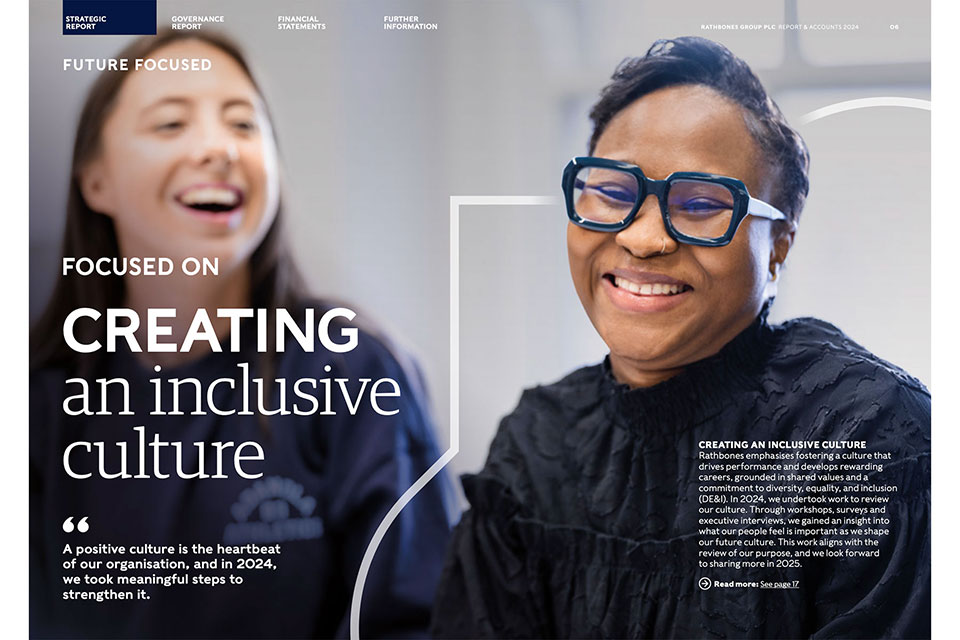
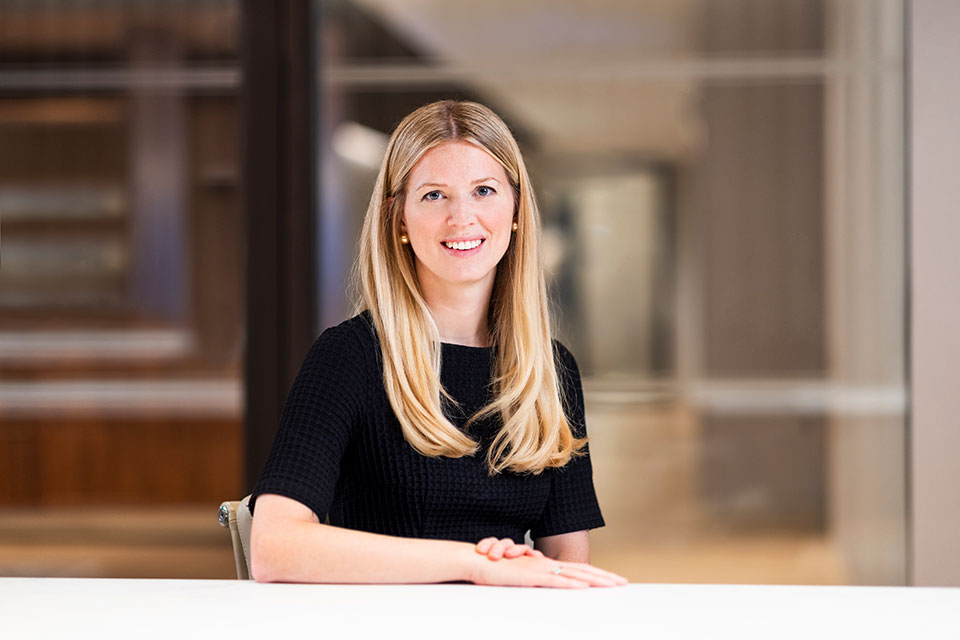
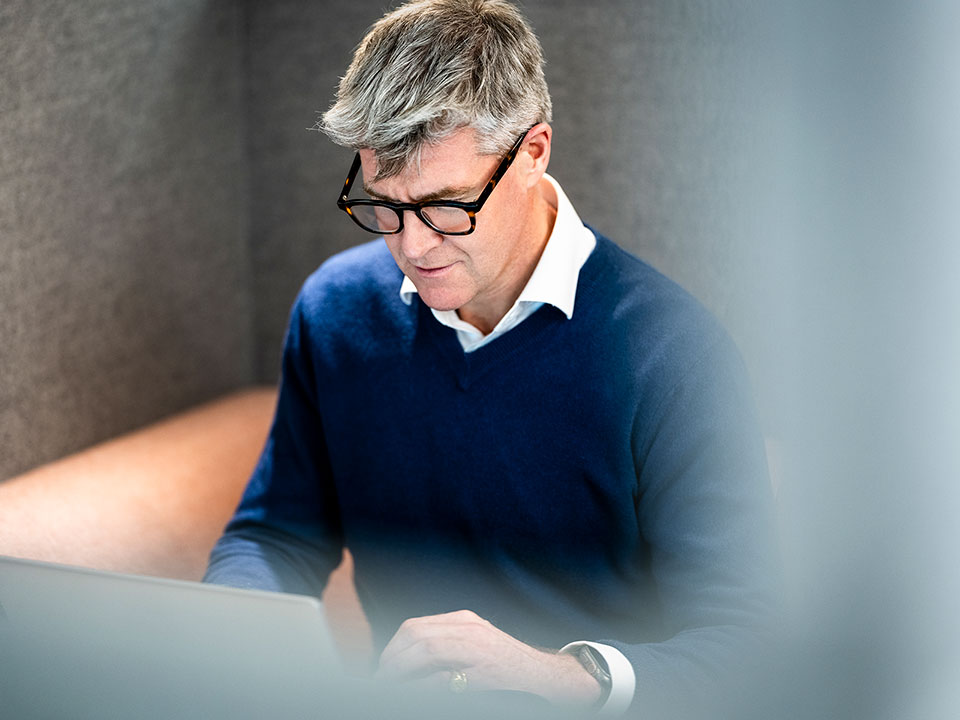
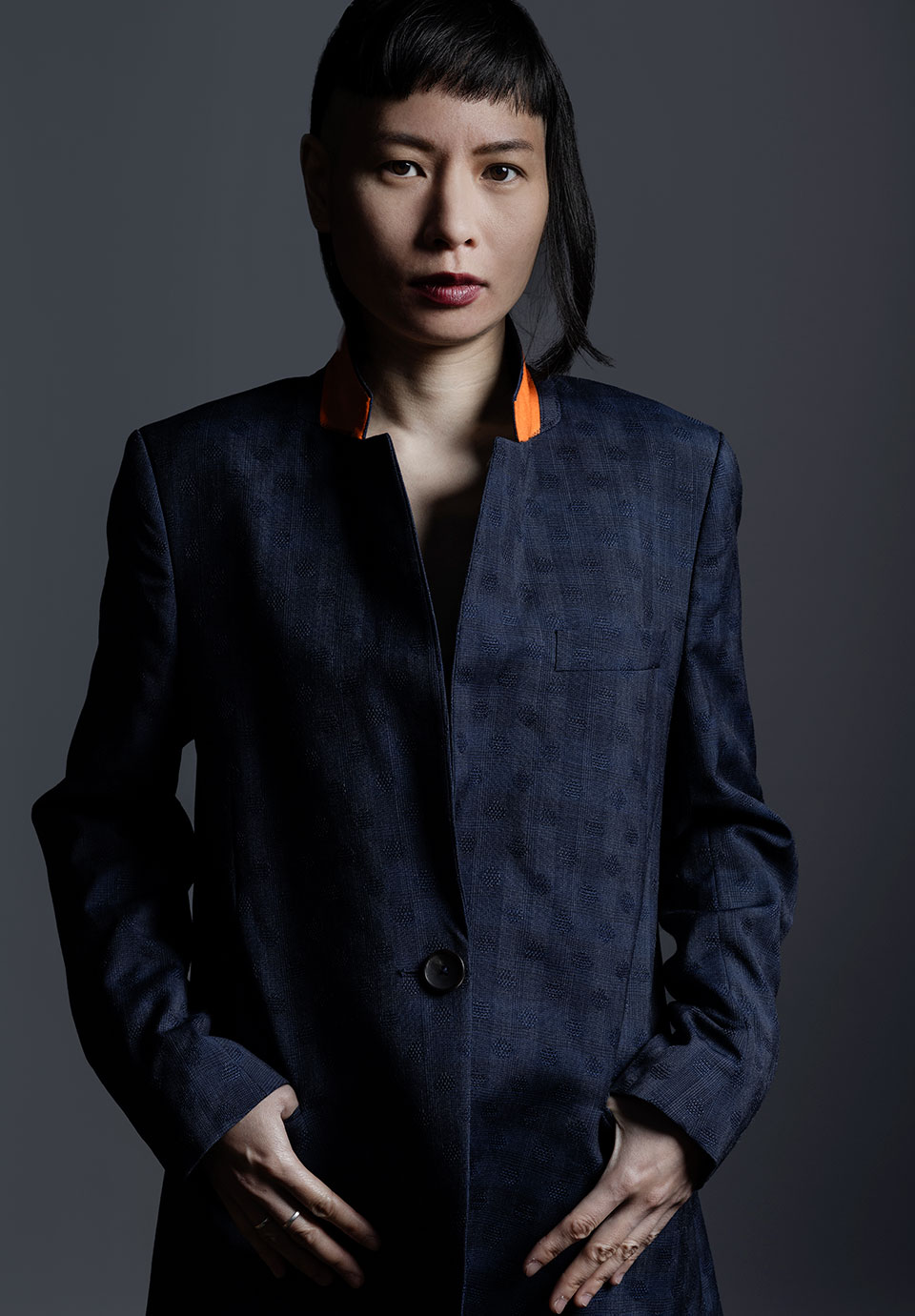
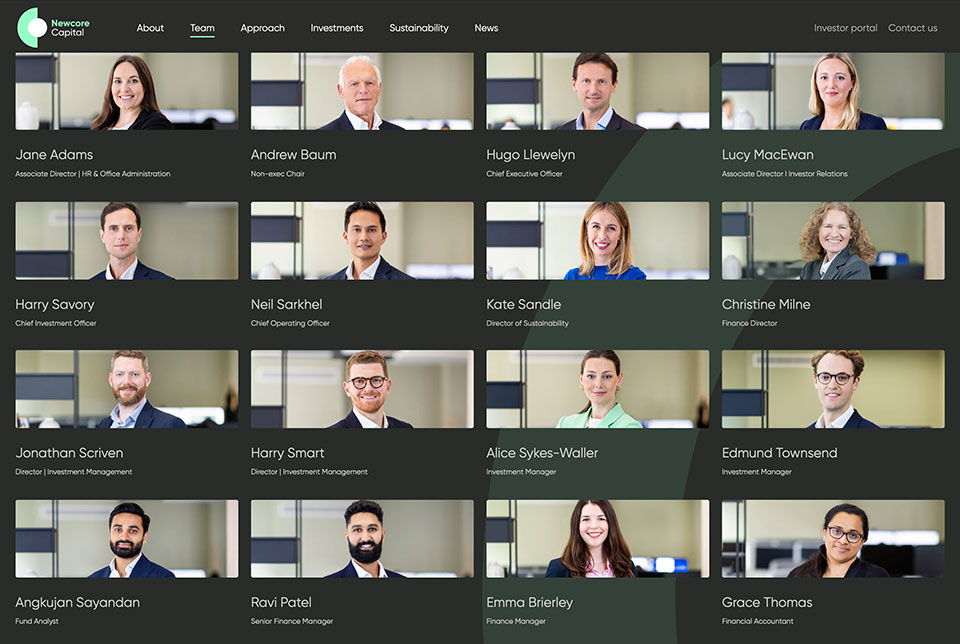
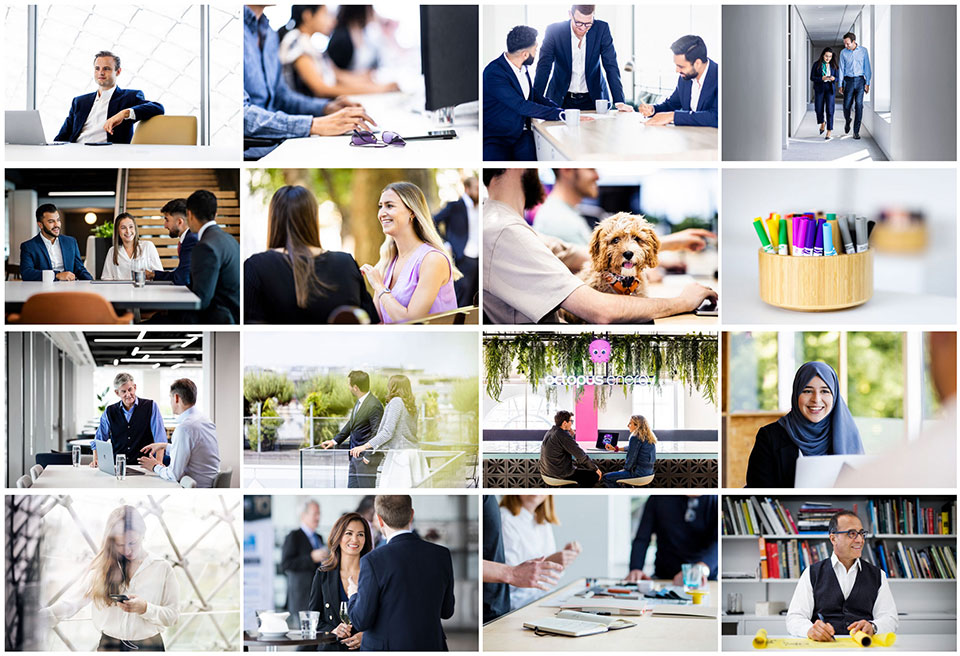
These questions matter because they shape everything that follows. A set of executive portraits for an investor-facing website has different requirements from a full day of photography covering individual headshots, group portraits, and working lifestyle imagery for an annual report. The clearer the brief, the more efficiently the shoot can be planned.
If the answers are not yet clear, it is worth going back to whoever commissioned the work before briefing the photographer. A good photographer will ask these questions regardless, but the more information provided upfront, the better the results will be.

How far in advance to book when commissioning corporate photography
For a straightforward executive portrait session, four to six weeks of lead time is usually sufficient. For a larger commission involving multiple subjects, lifestyle photography, or imagery across more than one location, six to eight weeks is more realistic. This allows time for a pre-shoot conversation, any location scouting that needs to happen, and the coordination of diaries, which is almost always the most time-consuming part of the process.
Senior executives at investment firms and financial services companies are not easy people to schedule. Building some flexibility around the shoot date, and identifying a clear point of contact who can help manage the schedule on the day, will avoid the most common sources of delay.
What to organise before your corporate photography shoot in London
Once the date is confirmed and the photographer has been briefed, the remaining preparation is primarily logistical.
Access to the building needs to be arranged in advance. The photographer will arrive before the shoot begins and may be bringing equipment. Building management and security should be informed, and there should be somewhere to set up and store kit before the first subject arrives.
Location within the office is worth thinking about early. Most photographers will want to see the space before the shoot day, either in person or through photographs, so that lighting and composition can be planned ahead of time. If there is a preferred location, flagging it early is useful. If not, the photographer will make recommendations once the space has been seen.
Wardrobe guidance should be sent to all subjects in advance. A short briefing note covering what to wear and what to avoid reduces the chance of someone arriving in something that causes problems on camera. Plain, dark, well-fitted clothing photographs well. Fine patterns, very pale colours, and prominent logos tend not to. Subjects should be asked to arrive as they would for a client meeting.
A realistic schedule needs to be prepared and circulated before the day. Individual portraits for a single person take fifteen to twenty minutes. Group portraits take longer to set up and arrange. If lifestyle photography is also on the brief, adequate time needs to be built in. A schedule shared with all subjects in advance, along with a clear point of contact for any changes, is the most effective way to keep the day running to time.

What happens on the day
The photographer will arrive ahead of the first subject to set up. Most people are uncomfortable being photographed to some degree, and senior executives are no exception. A good photographer will manage this, but it helps if subjects arrive knowing roughly what to expect and how long they will be needed.
The main role on the day is keeping things moving: making sure people arrive at the right time, managing any last-minute schedule changes, and being available if the photographer needs access to something within the building. It is not necessary to be present for every individual session, but being reachable throughout the day is useful.
Group shots are usually the most logistically demanding part of a shoot. Getting a number of senior people in the same place at the same time requires preparation. Confirming availability for a specific window in advance, and having a contact for each person who can follow up if needed, will make this part of the day significantly easier.
After the shoot
The photographer will edit and deliver the images within an agreed time frame. For a commission of this size, a typical turnaround is one to two weeks, though this should be confirmed before the shoot begins. Delivery is usually via a secure online gallery or file transfer service, with images provided at the resolution required for the intended uses.
File formats and sizes should be confirmed in advance, particularly if the images are going to a design agency or communications team for use in specific documents or on a website. Licensing terms should also be agreed before the shoot rather than after. If the firm anticipates using the images across multiple platforms, in print and digital formats, or over a number of years, this should be included in the brief from the outset.

Why the choice of photographer matters
The practical side of organising a shoot in the City of London is manageable with reasonable preparation. What is harder to address after the fact is the quality of the output. Images that do not reflect the standard of the firm, that look inconsistent across a leadership team, or that do not hold up when reproduced at size in an annual report, are difficult and expensive to replace.
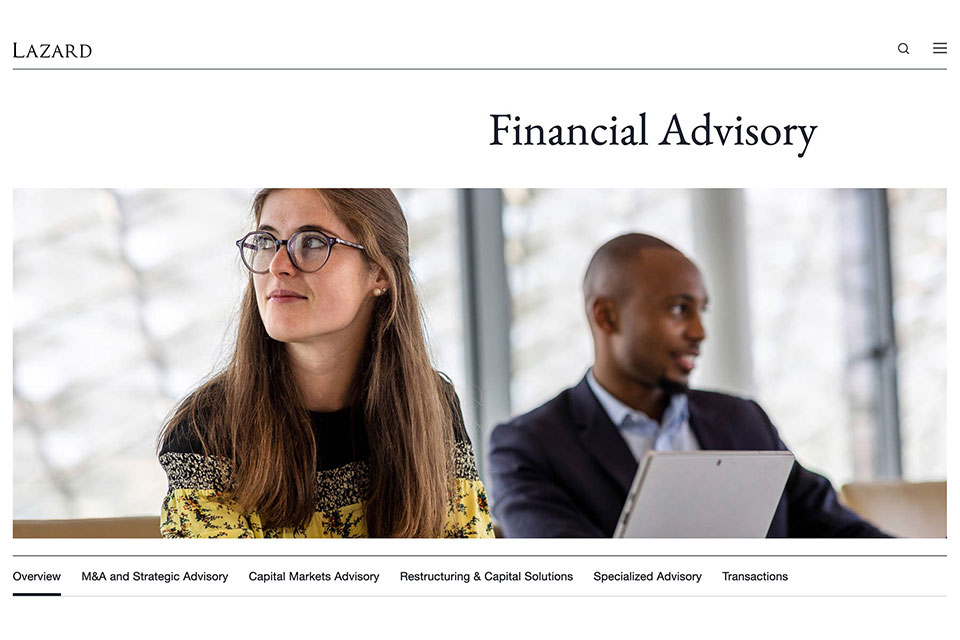
The firms that commission photography at the level of Derwent, Lazard, or Citibank do so consistently, and from the same photographer, because the results are reliably right and the process is reliably professional. That consistency comes from experience of working with senior people under time pressure, an understanding of what financial services firms need from their imagery, and the ability to deliver without adding to the workload of the people responsible for making it happen.
If you are organising a corporate photography shoot and would like to discuss what is involved before anything is committed to, I am glad to help. Get in touch here.
Frequently Asked Questions
How much does a corporate photography shoot cost?
The cost of a corporate photography shoot depends on the scope of the commission. A half-day session covering individual executive portraits for a small team sits at a different price point from a full-day commission involving group photography, lifestyle imagery, and multiple locations. The most reliable way to get an accurate figure is to have a brief conversation about what is required before any quote is provided. A well-scoped commission avoids the cost of going back to reshoot images that did not meet the brief.
How long does a corporate headshot session take?
For an individual executive portrait, fifteen to twenty minutes is a reasonable allocation once the photographer is set up. For a larger session covering a full leadership team, the time required depends on the number of subjects and whether group shots are also on the brief. A realistic schedule, prepared in advance and shared with all subjects, is the most effective way to keep the day running efficiently. Senior people’s time is the most valuable resource on a shoot day, and a well-run session respects that.
What should I send a photographer before a corporate shoot?
The most useful things to provide in advance are a clear brief covering what the images are for and where they will be used, a confirmed list of subjects and their availability, any brand guidelines or existing photography the new work needs to sit alongside, and access to the location either for a recce or through photographs. The more context provided before the shoot, the less time is spent making decisions on the day.
How do I choose the right corporate photographer for a financial services firm?
The most reliable indicator is a track record of sustained relationships with firms operating at a comparable level. A photographer who has worked repeatedly for the same financial services clients over a number of years has demonstrated the reliability, discretion, and consistency of output that this kind of commission requires. It is worth asking to see work from similar commissions, and worth having a conversation before committing to establish whether the photographer understands the specific requirements of the brief.