Richard Boll

Category Archives: Uncategorised

Annual Report Photography in London: Why the Photographer You Choose Defines the Finished Document

0
Filed under Annual report photography, Corporate Photography, Uncategorised

Annual Report Photography in London: Why the Photographer You Choose Defines the Finished Document

A company’s annual report is not a brochure, it is a document scrutinised by institutional investors, analysts, regulators, and the financial press. Commissioning the sufficiently qualified Annual report photographer in London for a report creates evidence of leadership, of culture, of the nature of the organisation and the kind of people who run it. It follows that the photography commissioned for an annual report deserves the same level of consideration as the document itself. The photography either reinforces a company’s standing or it quietly undermines it, and the audience in front of whom it does so are the people whose opinion matters most.

This is the context in which directors and agencies commission Richard Boll as a corporate photographer for communications agencies to provide premium annual report photography in London. They are not looking for a photographer who can take a competent headshot. They are looking for someone who understands what the document is for, who can work at the pace a production schedule demands, and who will deliver results that hold up under the scrutiny of a printed spread or a double-page boardroom portrait viewed by a shareholder at a general meeting.

Corporate executive portrait photography in a London office, by Richard Boll Photography

What communications agencies need, and what most photographers cannot provide

The working relationship between a corporate photographer and a financial communications agency is different from a direct client commission. Agencies are managing the interests of their clients- often some of the most significant companies in the City- while simultaneously managing designers, printers, and production deadlines. What they need from a photographer is not creativity alone. They need reliability, discretion, speed, and the ability to interpret a brief precisely and deliver against it professionally.

I have worked with The Brunswick Group, one of the world’s most respected financial communications agencies, for more than ten years. In that time I have been trusted with their most senior clients across multiple firms, including Lazard, Rathbones, and Deutsche Numis investment bank. That kind of sustained relationship does not exist without a consistent standard of work. Agencies of this calibre do not return to a photographer out of convenience. They return because the work is right, every time, and because the experience of working together is professional throughout.

Corporate lifestyle photography in a historic City of London building, by Richard Boll Photography

Pre-production: the work that happens before the shoot

For annual report photography in London, the shoot day itself is a relatively small part of the job. The work that determines its success happens in the weeks before, in the conversations with the art director, in the review of the design layouts, in the decisions made about lighting, location, and composition before a single frame is taken.

A well-produced annual report has a visual language. That means understanding how the images will be cropped and placed, what the colour palette of the document demands, whether the portraits will sit against a white ground or within an environmental setting, and how the executive portraits will relate to the lifestyle and architectural imagery throughout the document. These are decisions that cannot be made on the morning of the shoot. They require preparation, and they require a photographer who is comfortable working closely with designers and art directors to agree on outcomes before the commission begins.

A location recce is a straightforward investment that pays for itself on the day. London offices vary considerably- a boardroom that works well in morning light may not by midday, and a reception area that looks right on paper may present practical challenges once you are in it. Getting into the space ahead of the shoot, understanding what it offers and what it does not, means those decisions are made calmly in advance rather than on the morning.

Photographing board-level executives: a particular discipline

Senior executives are not always comfortable in front of a camera, and they rarely have a great deal of time. The photographs taken of them will be seen by investors, clients, and the financial press, so there is a reasonable expectation that the process is handled professionally and the results are strong. An annual report photographer in London working at this level needs to be well-prepared, good with people, and able to work at pace without the quality suffering.

Consistency across a leadership team photographed over several days is also part of the job. Different spaces, different light conditions, different days of the week; the finished portraits need to read as a coherent set within the document. That is a discipline that develops over years of this kind of work producing premium corporate headshots for annual reports.

Corporate group portrait for an annual report, photographed in London by Richard Boll Photography

Why the City of London demands a particular standard

London’s financial district- the Square Mile, Canary Wharf, Mayfair- is where many of the organisations commissioning annual report photography are based, and it sets a context that matters. These are companies operating at the top of their industries, producing documents that will be seen by a global audience of sophisticated readers. The photography in an annual report for a financial services firm or an investment bank in London is being compared, consciously or not, against the work produced for competing firms. It either reinforces the company’s standing or it quietly undermines it.

Corporate photography for financial services at this level is not a commodity. It is a skilled, specialist discipline that requires an understanding of the sector, an ability to navigate complex organisations with discretion, and a track record that demonstrates both. My work for clients including Citibank, American Express, T. Rowe Price, and multiple Brunswick Group clients across the City reflects that standard. These are not one-off commissions, but are the product of relationships built on consistent, high-quality work delivered under the conditions that financial communications demand.

Corporate photography in london by photographer Richard Boll

After the shoot: delivery, consistency, and the long view

A well-executed annual report photography commission does not end when the shoot day ends. The editing and delivery process is where the visual language established in pre-production is either realised or lost. Images need to be consistent in colour, contrast, and tone across portraits taken in different conditions. Selected images need to be delivered in the right format, at the right resolution, and to a schedule that fits the production timeline.

The images produced by an annual report photographer in London will also have a life beyond it. Executive portraits, lifestyle imagery, and architectural photography commissioned for a report are regularly repurposed for websites, investor communications, press materials, and LinkedIn profiles. A well-commissioned body of financial services photography in London is not a single-use asset. It is a body of work that represents the organisation across multiple touchpoints, often for two or three years before the next commission is placed.

That long view is part of what makes the choice of photographer for an annual report commission worth taking seriously. The right decision pays for itself many times over.

A range of examples of my corporate photography can be found here.

If you are a communications director or agency planning annual report photography in London and would like to discuss your requirements, I would be glad to hear from you.


Frequently Asked Questions

How long does an annual report photography shoot take?
It depends on the scope of the commission. A shoot covering individual executive portraits for a small leadership team can be completed in a single day. A larger commission involving group portraits, lifestyle imagery, and architectural photography across a significant organisation will typically require two or more days. The best way to establish timing is through a detailed brief before anything is scheduled, so that the shoot day is planned rather than estimated.

How far in advance should I commission an annual report photographer?
For most annual report commissions in London, six to eight weeks of lead time is a reasonable minimum. This allows time for a pre-shoot conversation, a location recce if needed, and the scheduling of senior executives whose diaries are rarely straightforward. For larger or more complex commissions, particularly those involving multiple locations or a significant number of subjects, more time is advisable. Late commissions can be accommodated, but they place pressure on the preparation that makes the difference between a good shoot and a great one.

What should I send my photographer before the shoot?
A clear brief is the most important thing; what images are needed, where they will be used, and who will be photographed. Beyond that, brand guidelines, any existing photography you want the new work to sit alongside, design layouts if they are available, and a confirmed schedule of subjects and locations all help to ensure the shoot day runs efficiently. The more information provided in advance, the less time is spent making decisions on the day.

Can annual report photography be used beyond the report itself?
Yes, and it should be. Executive portraits, group photography, and corporate lifestyle imagery commissioned for an annual report are regularly repurposed for company websites, LinkedIn profiles, investor presentations, press materials, and internal communications. Commissioning a full set of images with this in mind, and ensuring the licensing covers the intended uses, means the investment in a well-produced shoot continues to deliver value long after the report has been published.

FLASH SALE: 30 LIMITED EDITION PRINTS AT £30 EACH

0
Filed under Conceptual Photography, Exhibitions, Fine Art Photography, Limited Edition Prints, Uncategorised

I’m pleased to share that throughout June 2024 I am hosting a special print sale on richardboll.art  There are 30 limited edition photographic prints (10” x 8”) available exclusively priced at £30 each until 30th June 2024.

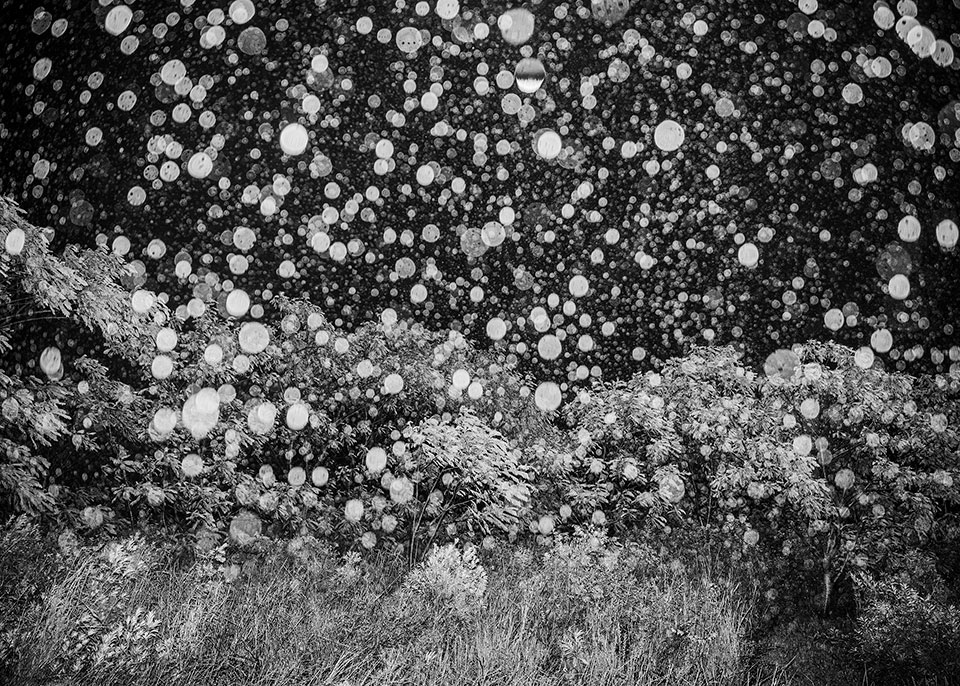
The prints available include seascapes from the project Six Degrees of Freedom, a series of still-life photographs from the project Memento, and other selected images taken in France, Greece, Iceland, Mauritius, Egypt, and Kenya.

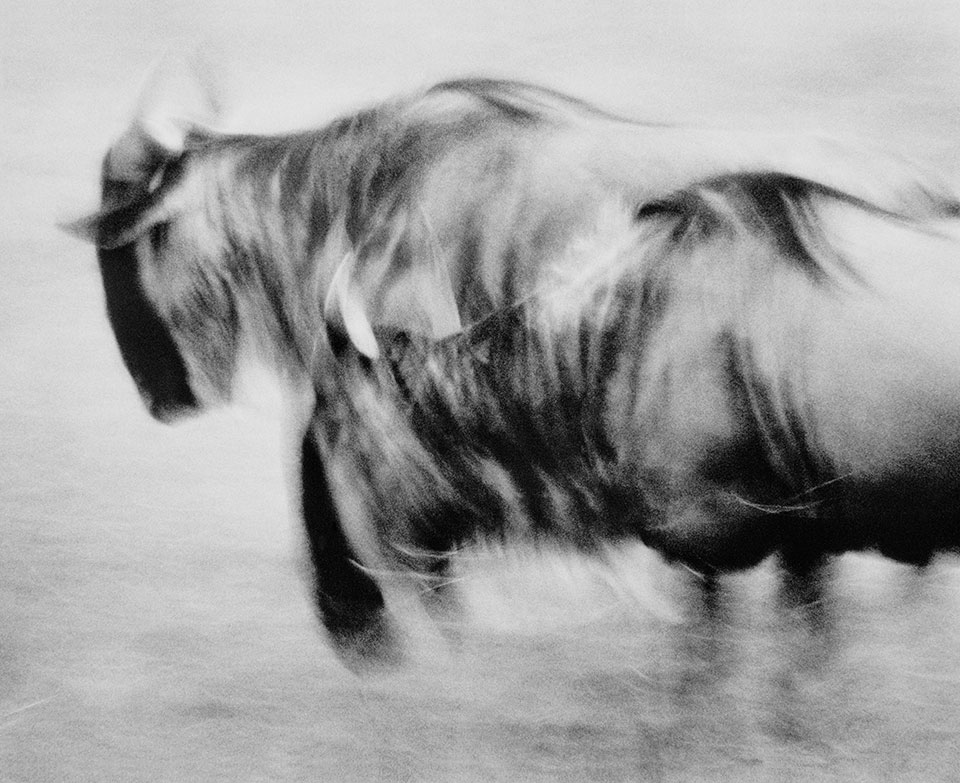
A black and white photograph of Wildebeest on the Masai Mara in Kenya.


A storm photographed at night in Mauritius by Richard Boll.

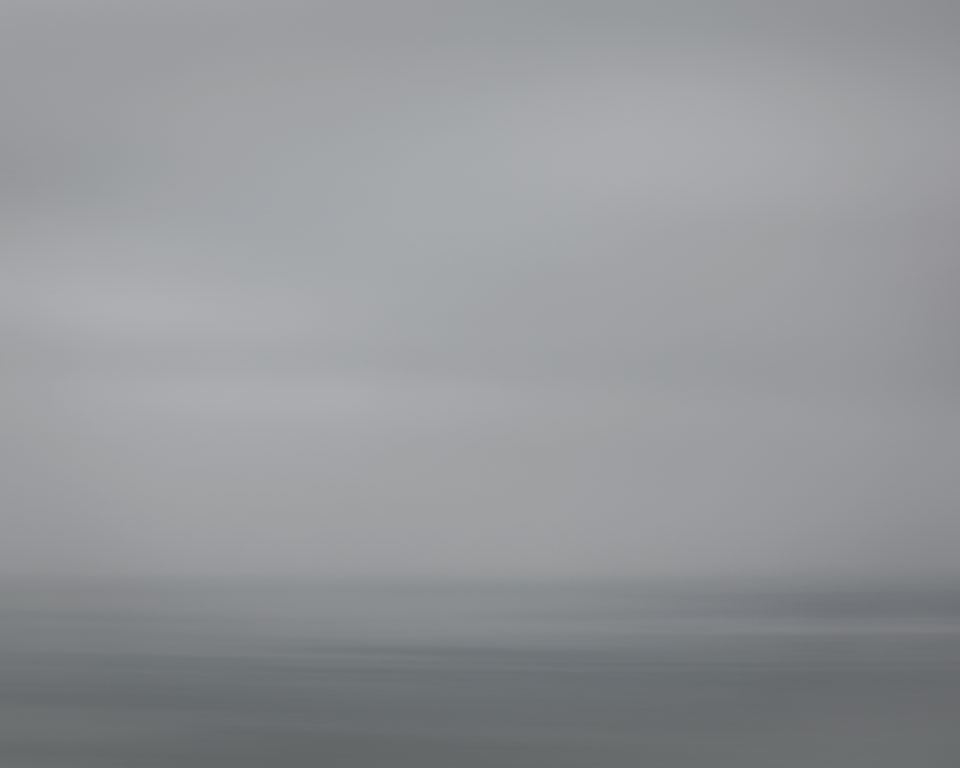
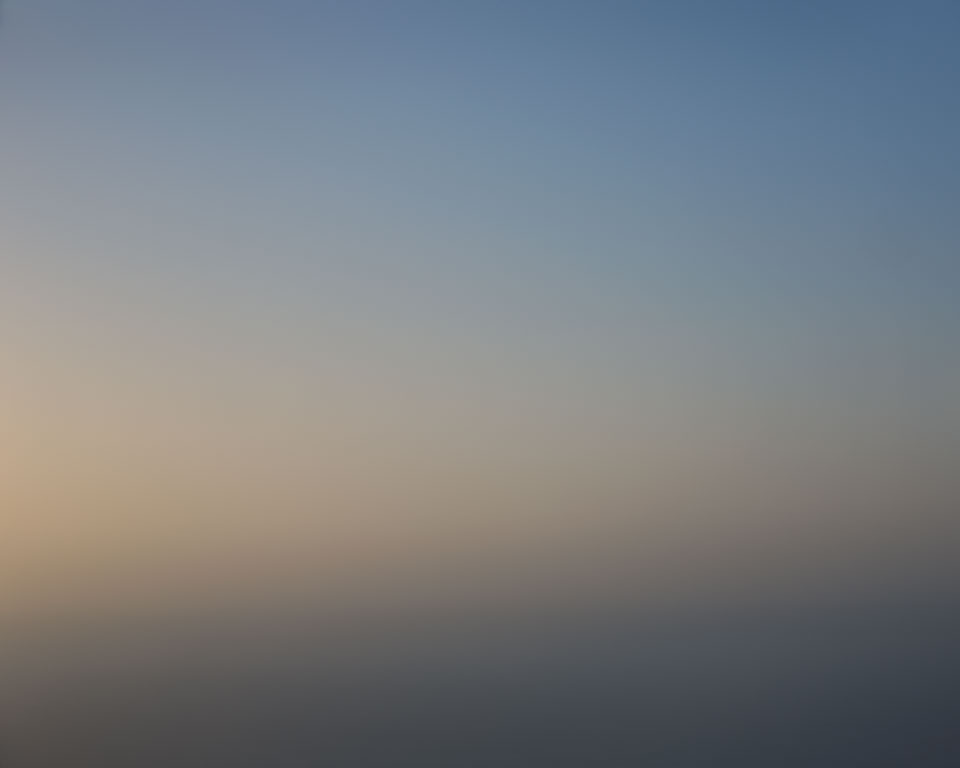
The seascapes from Six Degrees of Freedom were created by attaching a handmade large-format pinhole camera to different navigation buoys in the Solent at different times of day. The diffused visual effect is created by the combination of a long exposure and the movement of the sea.

Limited edition prints of Bourne Gap from the project Six Degrees of Freedom.

Hook, a seascape from the photographic project Six Degrees of Freedom.

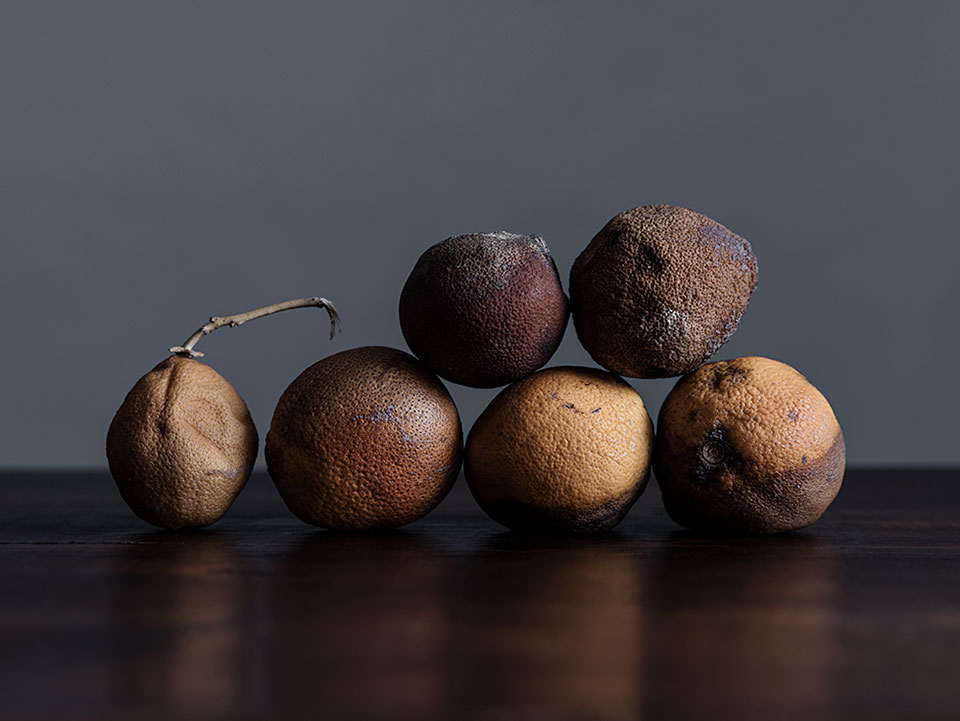
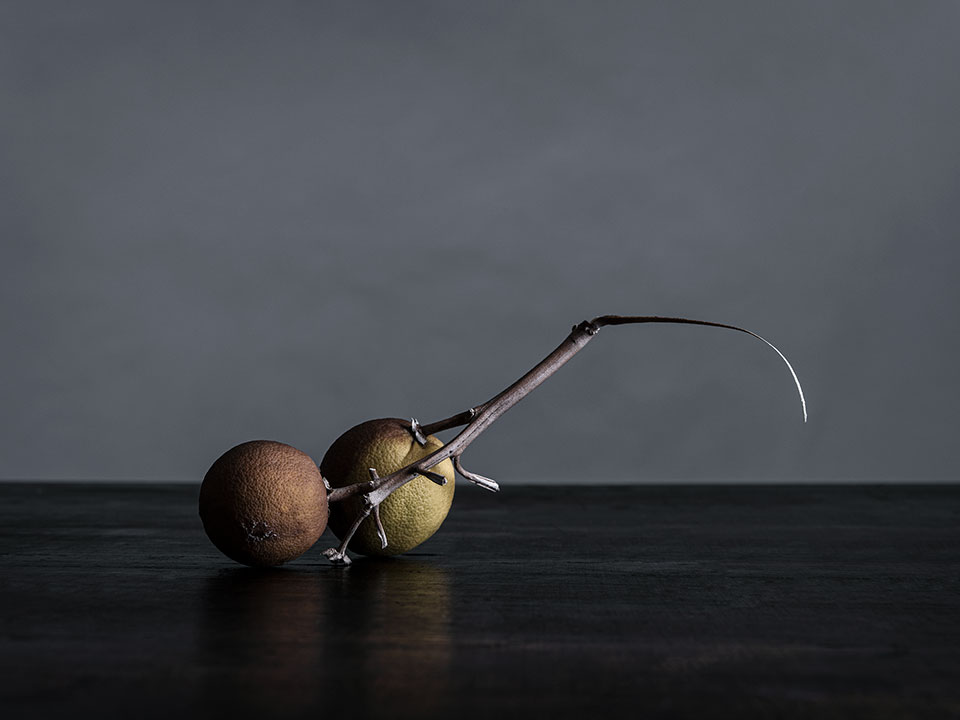
The project Memento serves as a study that explores form, composition, and colour. The images were taken in Mallorca in September 2023. A room in an ancient villa with plaster walls and old wooden furniture became an improvised studio. Shutters and linen drapes were used to control the natural daylight that came in through a single window. The subject matter of decomposing fruit and burnt wood was found in the grounds of the villa.

Memento III from a still-life photography project by Richard Boll

Still-fine photograph from the project Memento.

All proceeds from the print sale will contribute to the production costs for my forthcoming exhibition in October 2024 which will take place in Brighton. Buy the limited edition, signed prints at richardboll.art

Thank you for your continued support, Richard


How I started my career as a professional photographer.

0
Filed under Commercial Photography, Editorial Photography, Photography career, Photography education, Uncategorised

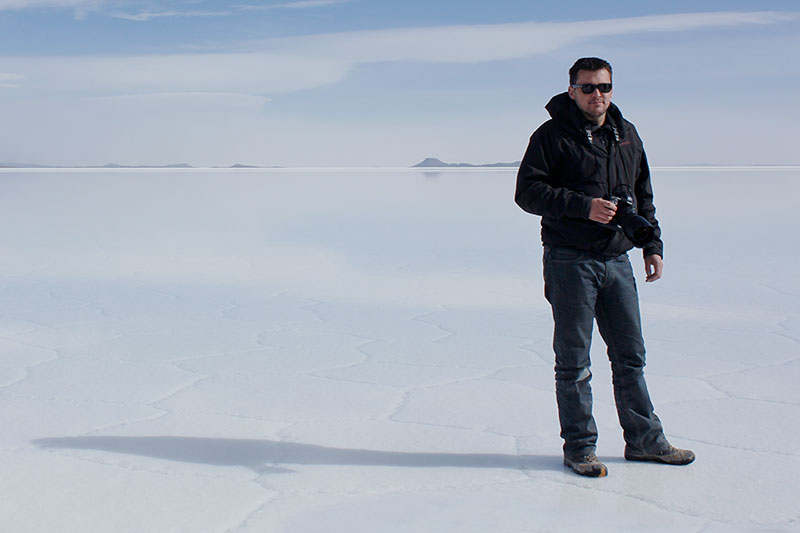
portrait of the photographer Richard Boll in Bolivia

I’ve always loved photography.

It’s been a passion of mine since I was 16 years old. I knew then that I wanted to turn my hobby into a professional career. In 2005, I realised my dream and set up as a freelance commercial professional photographer. I often get asked for advice by budding photographers thinking about turning professional. Here, I share my personal journey and answer some of those questions.

Q: How did you get into photography?

I’ve had various cameras from an early age and always took pictures, but it was only a hobby at that stage. The turning point was meeting a teacher at school who was very passionate about photography. So much so, that he set up a darkroom in the school to give students the opportunity to find out what it was like to shoot film and produce prints. I started with black and white film, using a 35-mm SLR camera and I was hooked, especially producing prints in a darkroom. It’s a bit of a cliche, but to see the image appearing in the chemicals is spellbinding when you first start printing. Producing prints in the darkroom is something I really miss now because it’s just not practical for my commercial work. Digital is far more efficient, but I miss the certain unique elements of using film that are not always carried over into digital photography.

Q: Did you do any photography courses?

I started with a City and Guilds photography course that the teacher was running. He recognised there was sufficient enthusiasm in various students to set up an A-level and I progressed onto that course. It was a very good pathway into the rest of my education along with A-level Art. That combination set me up for my Art Foundation year, which then led on to a degree in photography.

Q: How did you transition from hobbyist to professional?

When I finished my degree at Edinburgh College of Art in 1999, I got a job as a Junior Technician at the college. I then progressed to a Senior Teaching Technician role. It was a great job because teaching the technical aspects of photography is very good for your own technical grounding and personal education. Whilst working there, I started to carry out small photographic jobs on the side. I picked up work for magazines shooting portraits, food, interiors, etc. When I left to become a full-time professional photographer, I already had a portfolio and that’s something I would encourage students to think about.

While you’re studying, think about what happens next. Consider the equipment you own, because a lot of photography students finish their studies and realise that they’ve been relying on the equipment from that course. Some students don’t even own a camera, whereas other students, even though it can be challenging, save up to buy some of the camera and lighting equipment that they need before they graduate. When they leave, they’re ready to hit the ground running.
Having a findable website is really key. You’ll have your professional portfolio online and can get found for the right keywords. That’s how I started to get work.

Q: What advice would you give to your younger self?

I’d advise shooting some black and white film and using a darkroom to produce at least one black and white print. It’s central to the language and roots of photography. There’s an ethos attached to shooting film, that can get lost with shooting digitally.
For example, if you’re using a large format camera, you can only shoot one sheet of film at a time. It might take 20 minutes to take one photograph, potentially a great deal longer. It makes you think about every element more carefully including focus, exposure and composition.

When you take two hours or more to produce a print in a darkroom, it’s a more meditative thought process. I’m not saying that level of thought can’t be applied to digital photography, but when you’re shooting high numbers of images on a digital camera, it’s possible to end up shooting pictures without engaging your mind to the same extent as when shooting large format photographs. Even though I don’t shoot film throughout my working life, I still shoot film for personal projects. I still hold on to that element of extra consideration and thought that it requires. That’s why I would recommend people starting out to shoot some film and produce prints in a darkroom.

Q: What tips would you give to budding photographers?

I would encourage young photographers to hit the books and do a lot of research. I found that really beneficial to my work. During my time at Edinburgh College of Art, I spent a lot of time in the library, working my way through lots of different photographers’ monographs, getting to know their images, and also reading in these books about their work, whether it was an interview or theoretical assessment by art critics. I found all of that research really valuable.

Assisting a range of different photographers is a good thing to do because you will learn different things from different people. I believe that carrying out personal projects, as well as professional work is really important too.

I encourage students to remember that there are many different types of photography you can carry out. Most people see photography as commercial, fashion, or press, whereas there are dozens of photographic roles available. I’m an editorial and commercial photographer, but there’s a need for forensic, archival, medical, and museum photographers for example.

Q: What’s been your career highlight?

My highlight was the combination of winning the Taylor Wessing Photographic Prize in 2006, which led to a commission from the National Portrait Gallery to shoot a portrait photograph of Sir David Attenborough.

Q: What challenges have you had in your professional career?

The challenge of working as a freelance photographer is the consistency of work. You can have ups and downs with very busy periods followed by lulls. When it’s relatively quiet, I try to appreciate having that time. If you’re busy with commercial work all the time, you can’t work on personal projects and I feel that’s really important.

Q: What’s the worst advice you’ve ever been given?

I was given many reasons not to become a professional photographer, such as I’d never be able to afford the equipment or go on holiday because I’d lose all my clients. It was very negative and pessimistic advice that luckily, I didn’t pay any attention to. I’d always wanted to become a professional photographer and turn my passion into an enjoyable, rewarding career.

Read the full story of ‘The Day I Photographed Sir David Attenborough’.
 

.